
































Features

Integrations and connections
Before going on holiday, you always make sure your windows and doors are locked. After all, the last thing you want is to give burglars or other intruders a chance to steal your valuable possessions.
 3 min reading time
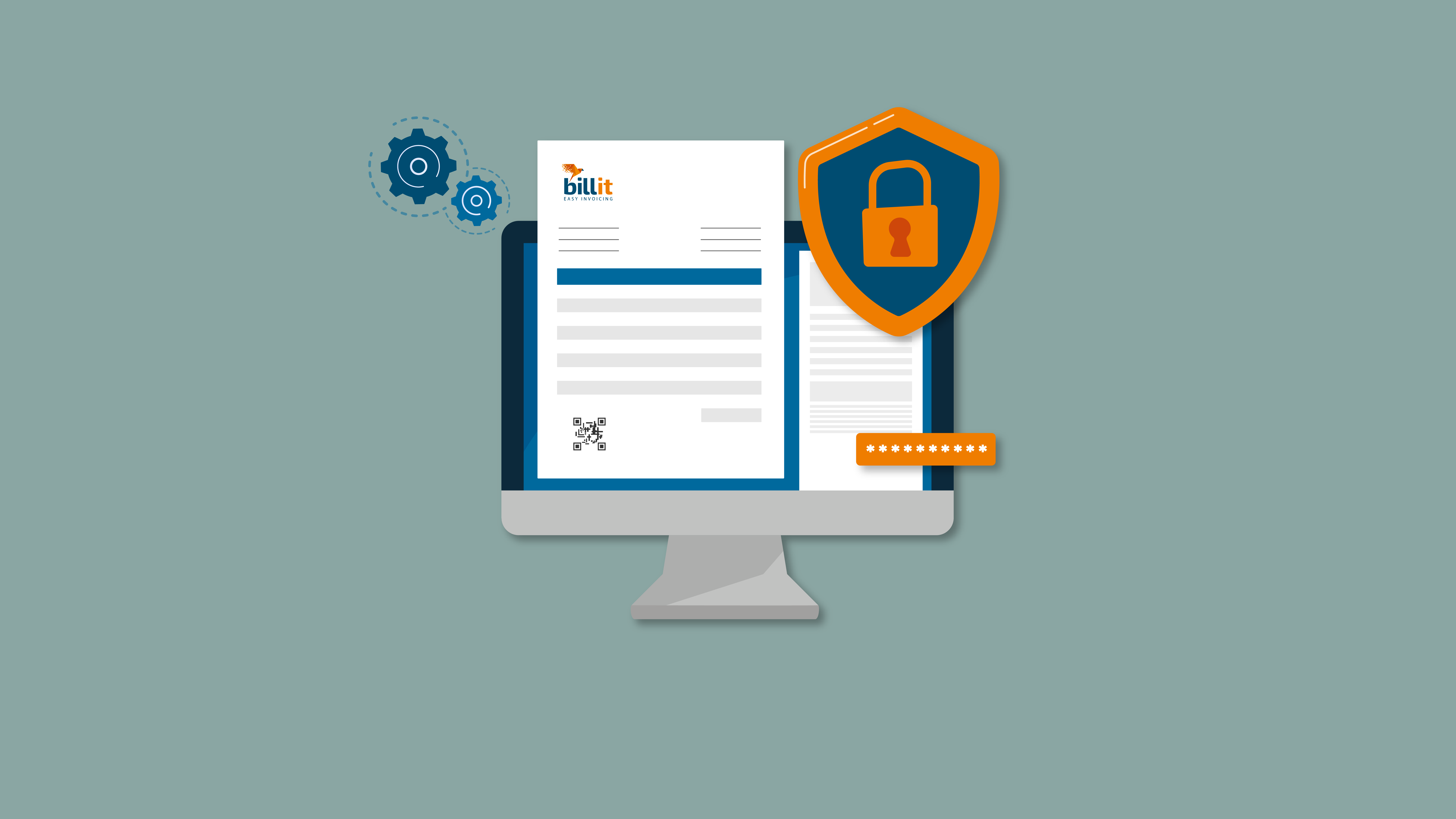
And the same goes for your business. Securing your data against hackers must always be a top priority. Yet many businesses do not take this seriously enough. They often focus on “compliance” – just ticking the boxes. In many cases, they don’t have a real security policy.
Hackers are getting more aggressive and creative in what they do. They can bypass your business security measures with much less effort than you might think. Teleworking, the increasing use of mobile devices and the rise of apps are making business networks even more vulnerable.
Installing the necessary firewalls and virus scanners is an essential first line of defence. It is critical that you always install the latest updates and patches so that hackers will find it more difficult to attack your system. A properly updated IT infrastructure is key!
Employees can also take various steps themselves to protect business equipment and data. Laptops, tablets and smartphones are sometimes left unattended at the office or when working from home. You should advise employees not to leave their laptops or computers unattended and always to lock them when not in use. This is easy to do with the Windows key + L. Also, encourage them to set their laptop or computer to lock automatically when not in use.
Apps such as Bitlocker – Microsoft’s free built-in encryption tool – provide extra security and peace of mind. Such apps ensure that, in the event of theft, the data on the hard drive becomes unreadable to anyone with malicious intentions. To put it another way, your hard drive is encrypted so that malicious software cannot simply make changes to the operating system or if your laptop is stolen.
Another essential issue to consider is your business password policy. This applies to PCs, laptops and smartphones, as well as network printers and security cameras. Here are some useful tips:
It is not easy to remember a list of unique passwords. Be sure to consider carefully how you store them. Your browser’s autofill password protection feature can be useful, so long as you don’t leave your laptop unattended. With this tool, you only need to remember one master password (instead of multiple passwords). What’s more, the system will often generate random passwords.
Never write down your passwords on paper and/or store them in your phone’s notes app.
Enable multi-factor authentication (MFA) for your critical accounts. This is sometimes referred to as “two-factor authentication” (2FA). This authentication is an additional security check after a successful password entry. These authentication services use methods that only you have access to, such as email, text, biometrics (e.g. fingerprint or facial recognition) or a USB security key.
Regularly update your key passwords. And when you do, you need to change them completely. This is because it is very unsafe to keep a password and only change a few characters. You should update your passwords every month to make life harder for hackers.
You may have heard of single sign-on (SSO). It is a convenient authentication tool for businesses, allowing employees to securely access multiple applications and services with just one set of login credentials and one SSO application. With this tool, you can ask them to log in with just their Windows account. This allows you to manage your accounts and settings centrally and take rapid action if an account is hacked. SSO allows users to access every integrated app with a single password, via a pop-up widget or login page.
Billit takes the security of your data and that of your business very seriously. To ensure maximum security, we offer you the option of linking your Microsoft account or Apple ID to your Billit account.
You can use a Microsoft account to access many Microsoft devices and services. You can also set up two-factor authentication through your Microsoft account. Your Apple ID provides access to many Apple devices and services. You can use it to sign in to the App Store, FaceTime, iCloud, iTunes and many other services.
You can also secure our mobile Billit app intelligently by setting a PIN code and using facial or fingerprint recognition to log in securely. This ensures that only you have access to your data.
 Back to overview
Share


User names and passwords alone can no longer guarantee a secure online experience. That’s is why so many internet services (such as Billit) are now using additional verifications.
Read more
A carousel is a merry-go-round, but in the business world, it can also be a construction for defrauding the remittance and refund of VAT. How does that work exactly?
Read more
Quishing is a new type of scam where criminals use fake QR codes. This blog post tells you how to protect yourself against it.
Read more


